
How Hydraulic Power Packs Improve Industrial Performance
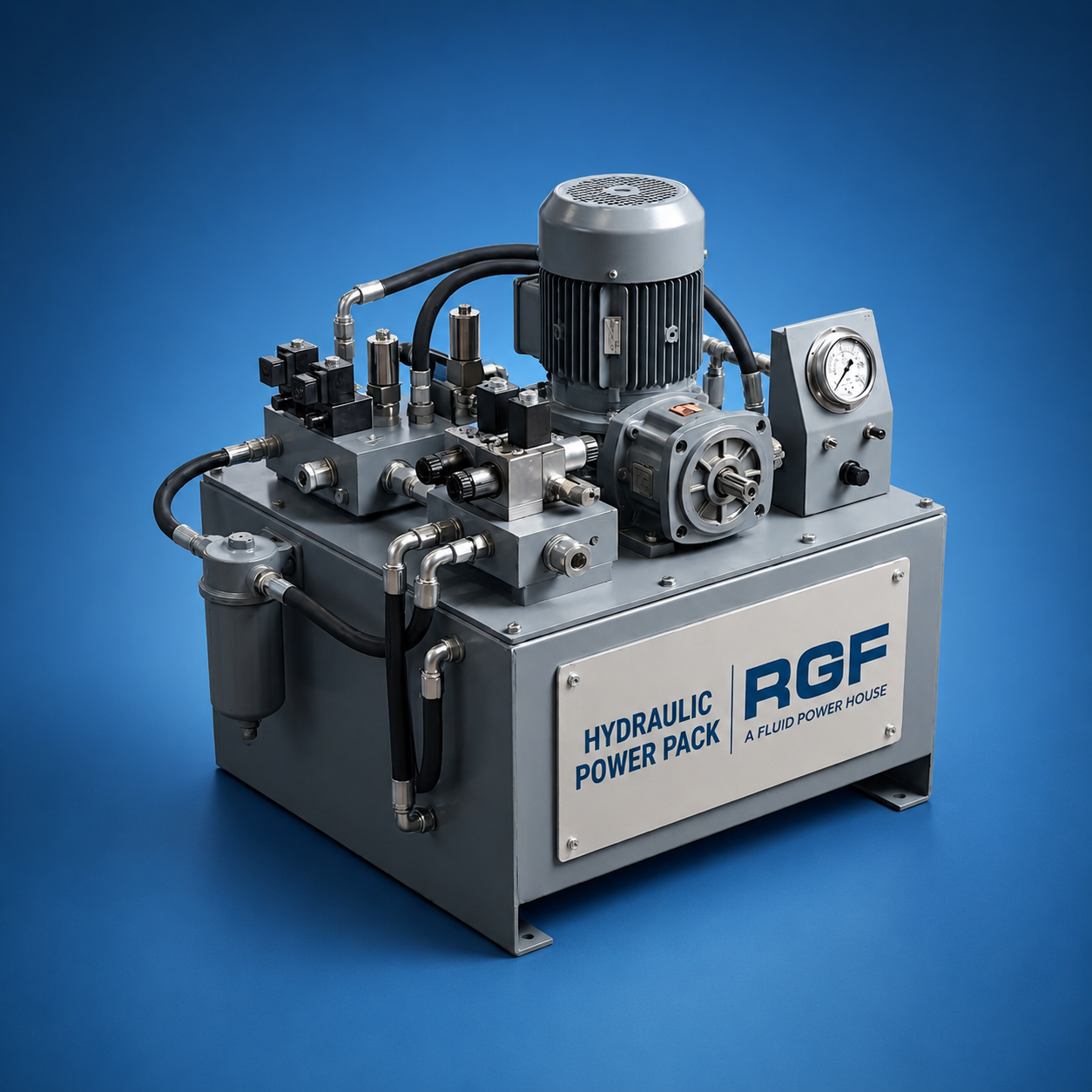
Hydraulic power packs are one of the most important components in modern industrial machinery. They provide the hydraulic energy needed to operate heavy-duty equipment efficiently and safely. From manufacturing plants and construction sites to dam gates and material handling systems, hydraulic power packs play a vital role in delivering high force with precision control.
Industries today depend on reliable hydraulic systems for smooth operations, reduced manual effort, and improved productivity. With growing demand for automation and heavy industrial applications, hydraulic power packs have become an essential solution across multiple sectors.
What is a Hydraulic Power Pack?
A hydraulic power pack, also known as a hydraulic power unit (HPU), is a self-contained system that generates hydraulic power to drive hydraulic machinery. It consists of several components such as a hydraulic motor, reservoir tank, control valves, pressure gauges, filters, and hydraulic pumps.
The main function of a hydraulic power pack is to convert mechanical energy into hydraulic energy. This hydraulic energy is then used to operate cylinders, hydraulic presses, lifting systems, industrial gates, and various heavy machines.
Hydraulic power packs are designed to deliver consistent pressure and fluid flow, making them suitable for demanding industrial applications.
Working Principle of Hydraulic Power Packs
The working principle of a hydraulic power pack is based on Pascal’s Law, where pressure applied to a confined fluid is transmitted equally in all directions.
The process works in the following steps:
- The electric motor or diesel engine drives the hydraulic pump.
- The hydraulic pump draws hydraulic oil from the reservoir tank.
- The pump pressurizes the hydraulic fluid.
- Pressurized fluid flows through control valves and hydraulic hoses.
- Hydraulic cylinders or motors convert hydraulic energy into mechanical motion.
This controlled hydraulic pressure helps perform tasks such as lifting, pushing, pulling, rotating, and holding heavy loads efficiently.
Major Components of Hydraulic Power Packs
Hydraulic Pump: The hydraulic pump is the heart of the system. It generates fluid flow and creates hydraulic pressure.
Electric Motor or Engine: This component powers the hydraulic pump. Depending on the application, hydraulic power packs may use electric motors or diesel engines.
Reservoir Tank: The reservoir stores hydraulic oil and helps maintain system temperature.
Control Valves: Hydraulic valves regulate pressure, direction, and flow of hydraulic fluid.
Filters: Filters remove contaminants from hydraulic oil and improve system life.
Pressure Gauges: Pressure gauges help monitor system pressure for safe operation.
Types of Hydraulic Power Packs
Standard Hydraulic Power Packs: These are commonly used in industrial machinery, hydraulic presses, and lifting equipment.
Compact Hydraulic Power Packs: Compact units are designed for applications where installation space is limited.
Mobile Hydraulic Power Packs: These portable hydraulic systems are used in construction, mining, and field operations.
Custom Hydraulic Power Units: Custom-designed hydraulic power packs are manufactured for specialized industrial requirements such as dam gates, steel plants, and marine systems.
Applications of Hydraulic Power Packs
Hydraulic power packs are widely used across various industries due to their versatility and efficiency.
- Industrial Machinery: Used in hydraulic presses, CNC machines, and automation systems.
- Construction Equipment: Hydraulic excavators, loaders, and cranes depend on hydraulic power packs for operation.
- Dam Gate Systems: Hydraulic power units are extensively used for spillway gates, radial gates, and sluice gate operations.
- Material Handling Systems: Hydraulic lifting tables, scissor lifts, and conveyors use hydraulic power systems for smooth movement.
- Marine and Offshore Industries: Hydraulic power packs operate winches, steering systems, and offshore equipment.
Benefits of Hydraulic Power Packs
- High Power Efficiency: Hydraulic systems can generate high force with relatively compact equipment.
- Reliable Performance: Hydraulic power packs provide stable and continuous operation even in harsh industrial conditions.
- Easy Control: Operators can easily control speed, pressure, and movement with hydraulic systems.
- Low Maintenance: With proper filtration and maintenance, hydraulic power packs offer long service life.
- Customization: Hydraulic power units can be customized based on pressure, flow rate, and industrial application.
How to Choose the Right Hydraulic Power Pack
Selecting the right hydraulic power pack depends on several factors:
- Required operating pressure
- Flow rate capacity
- Type of hydraulic application
- Tank size and cooling system
- Power source requirement
- Environmental conditions
Choosing a high-quality hydraulic power pack from an experienced manufacturer ensures long-term performance and operational safety.
Conclusion
Hydraulic power packs are essential for modern industrial operations that require powerful, reliable, and precise hydraulic control. Their ability to handle heavy loads, improve productivity, and support automation makes them a preferred choice in industries such as manufacturing, construction, irrigation, mining, and marine engineering.
As industrial automation continues to grow, the demand for advanced hydraulic power units is also increasing. Investing in a durable and energy-efficient hydraulic power pack can significantly improve operational efficiency and reduce downtime in industrial applications.